

Horse Lameness: Types, Causes, and Treatments
Lameness in horses is common, and is a symptom of an underlying injury or disease. Identifying lameness early and treating the cause is essential to a good prognosis.

Lameness in horses is common, and is a symptom of an underlying injury or disease. Identifying lameness early and treating the cause is essential to a good prognosis.


Most horses take 4 or 5 years of growing to reach their full adult height. However, there are many factors, like breed and gender, that influence how fast a foal will grow and how tall it will be.


Horses of any breed can be very expensive, but some breeds are often available for very affordable prices. Buying a lower-priced horse can be risky though, so it’s important to know where best to shop and what to look out for.
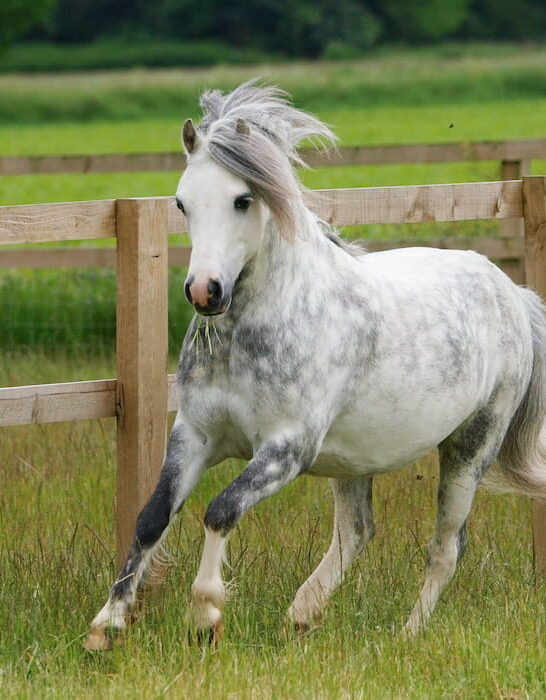
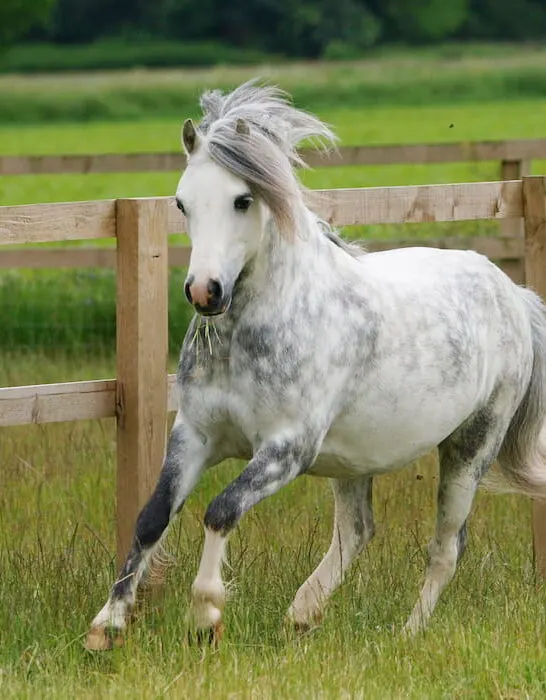
There are many horse and pony breeds that are small, making them perfect for children and small adults. These breeds though still have a lot of variety, so you can find the perfect small breed for your discipline.


Many popular Quarter Horse foundation stallions have been found to carry serious genetic diseases. If you are planning to buy a Quarter Horse, it’s a good idea to watch out for these known carriers. Genetic testing can help you make an informed decision before you purchase or breed your Quarter Horse.
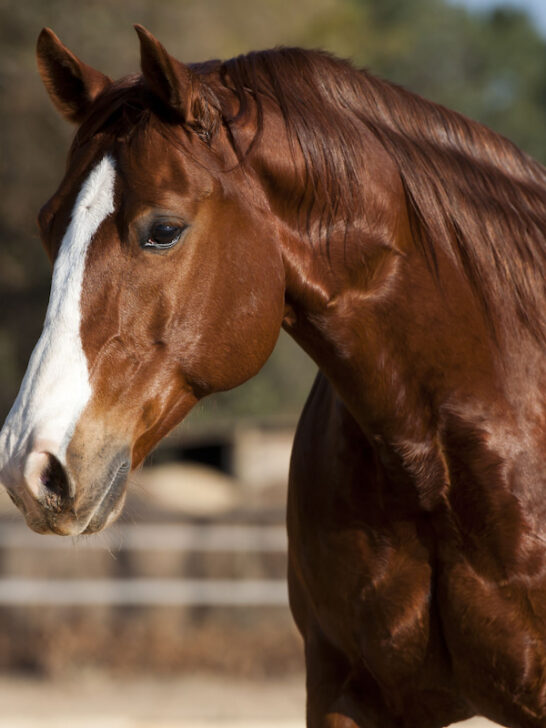
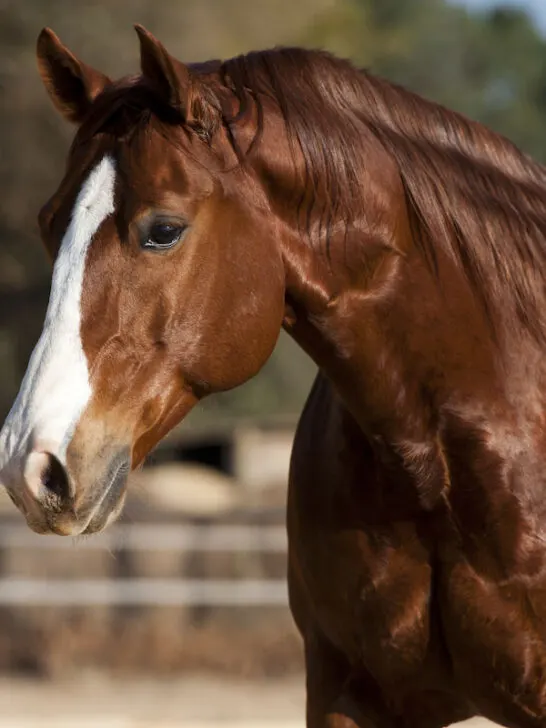
Quarter Horses are popular and versatile. Their ancestry traces to several foundation stallions whose bloodlines are sought after today. Many of these lines are best known in specific disciplines, although some still produce the best horses for a variety of purposes.